

In today’s Nature Printing class we looked at Gyotaku- a way of record keeping for fisher-folk in Japan. Gyotaku is a traditional printing technique that translates literally into “fish” (gyo) and “rubbing” (taku). The earliest known example of gyotaku—though this is somewhat contested—traces the form of a carp caught in the Mogami River in 1857.
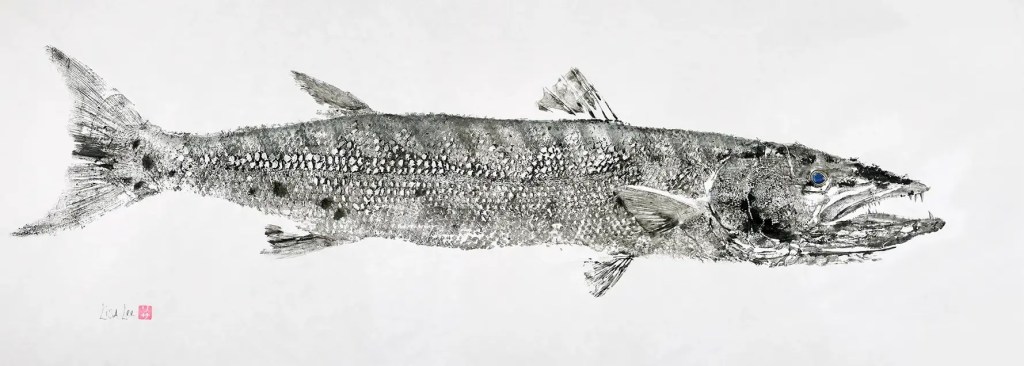
Artist Naoki Hayashi says it is only Gyotaku if you follow all three key steps—catch, print, eat.
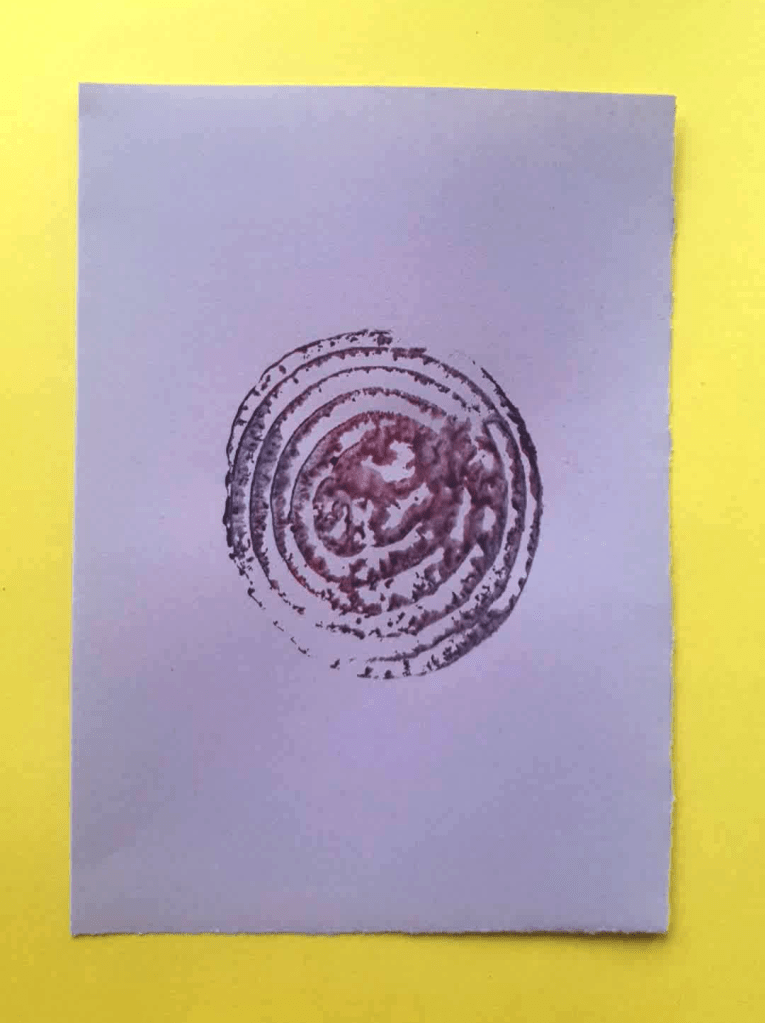

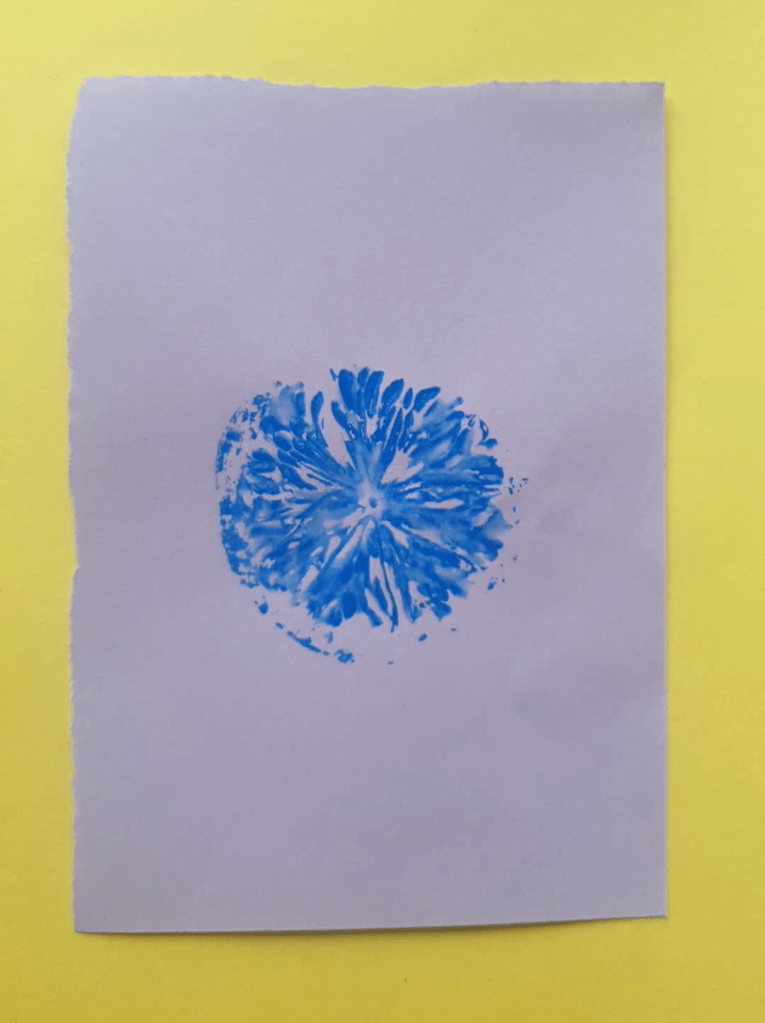
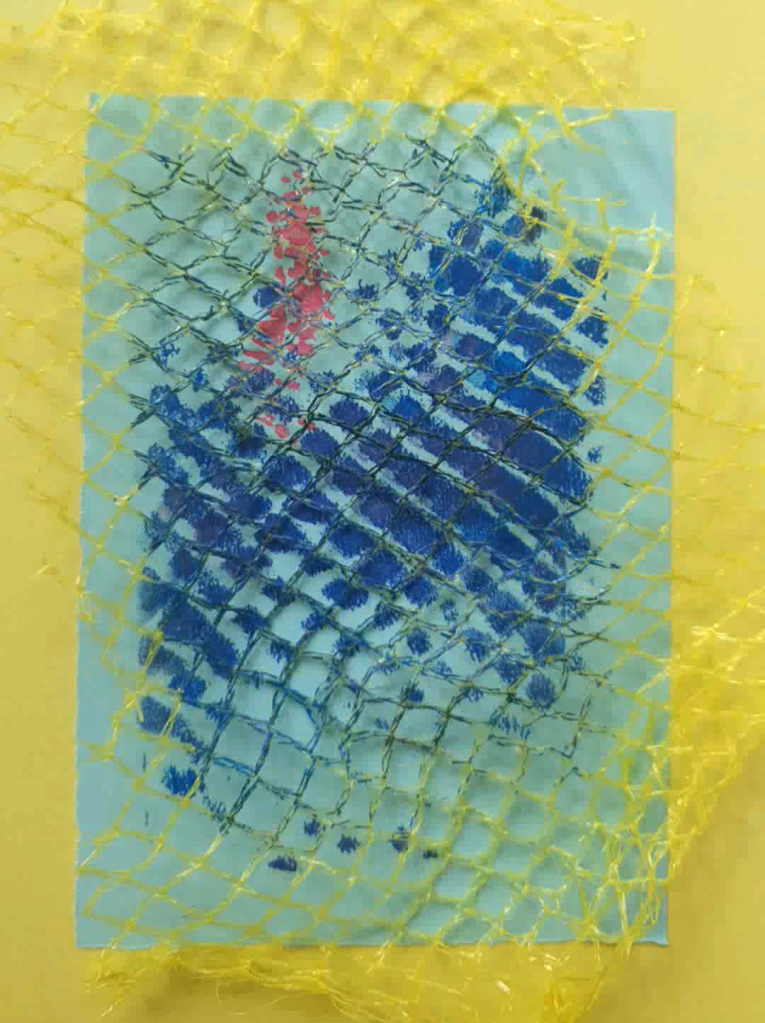
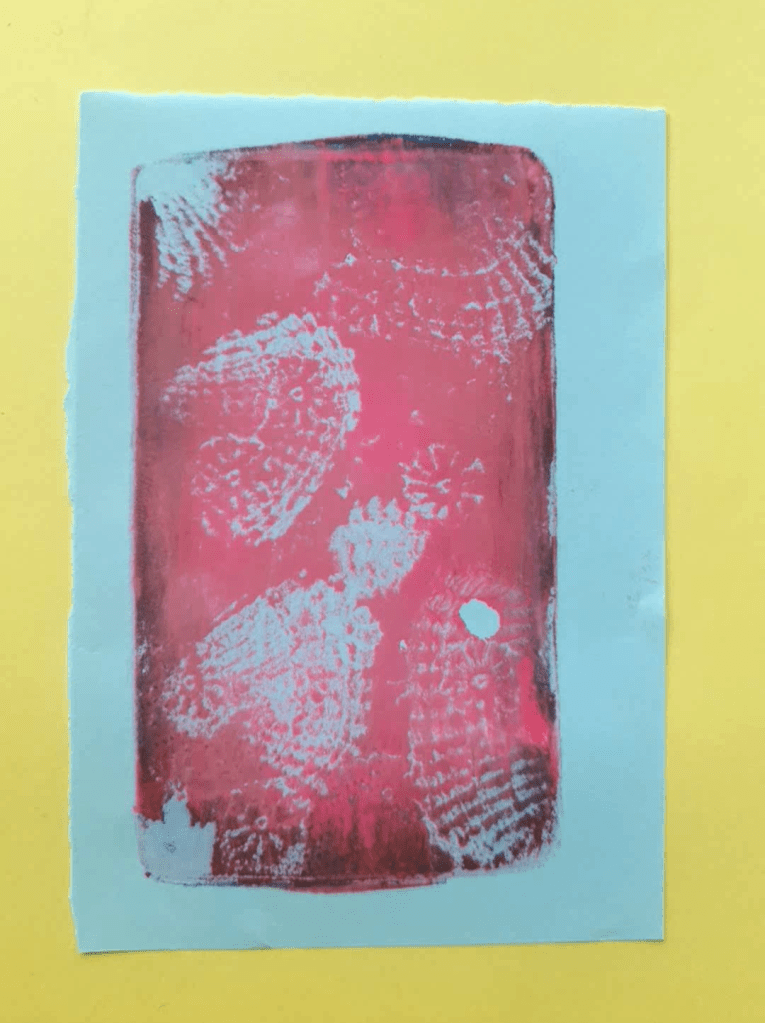
It made us think of the things we consume and throw away. This form of printmaking deepens our understanding of objects that surround us, and their function in the environment.
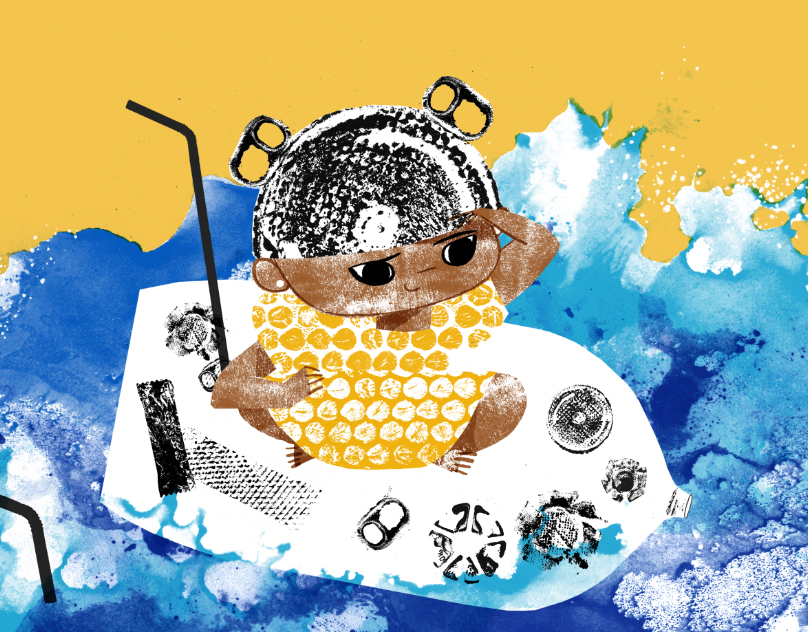
I use a mix of this technique and digital in my work a lot- and I learned about materiality while working on Ammu’s Bottle Boat with Niveditha.
I also keep a public library of textures that you can use in a variety of projects. They’re free to download and play:
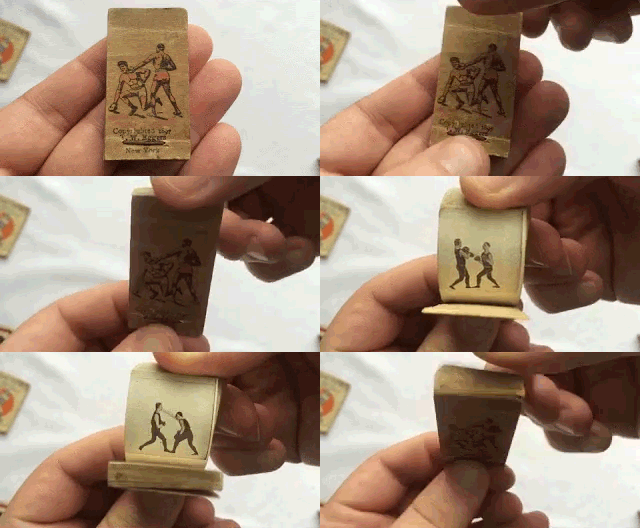
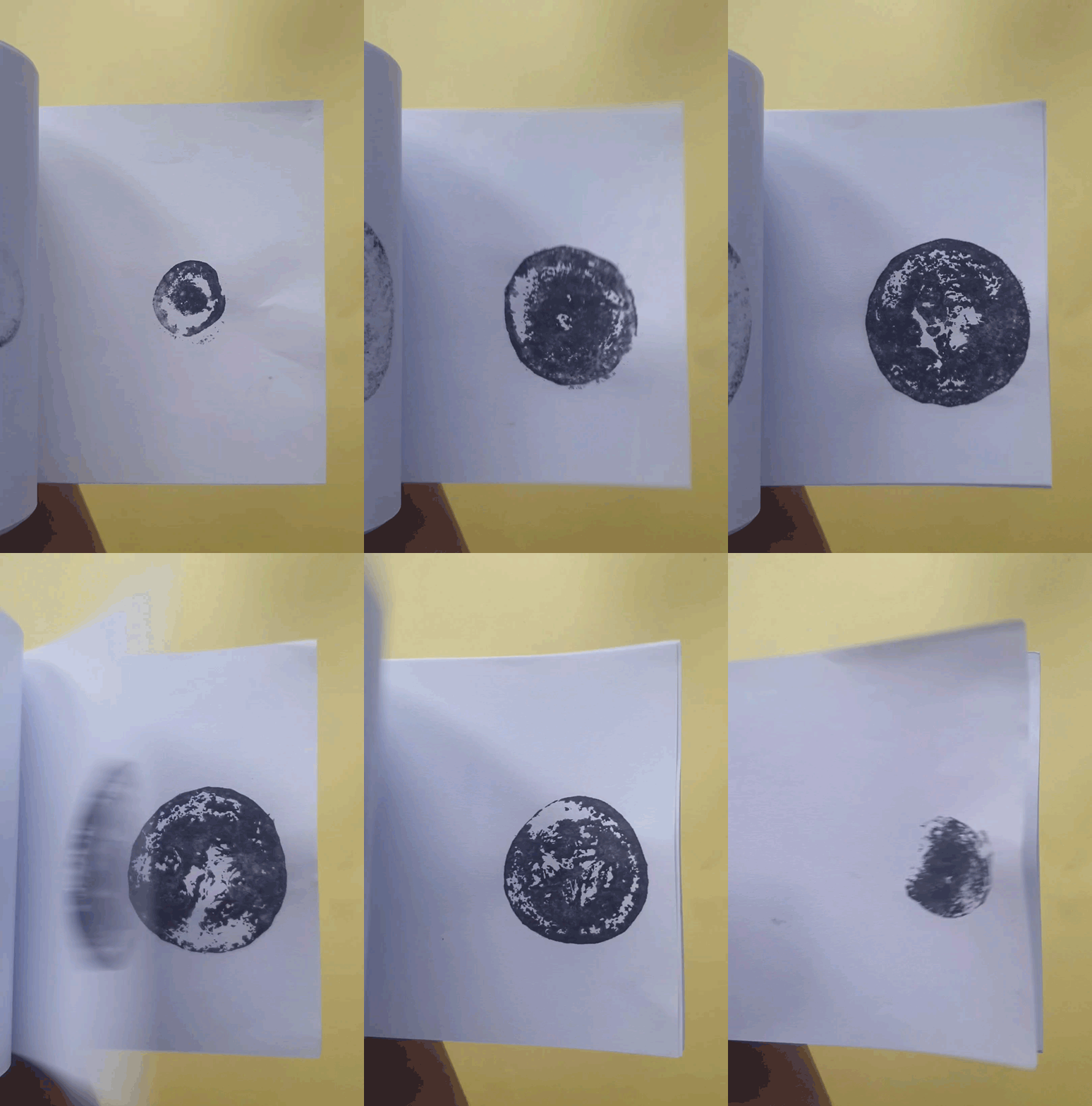
Later, we made a kineograph-commonly called flip books. They were popular optical toys in the 19th and early 20th century. Pierre-Hubert Desvignes had the idea for what he called folioscopes around 1860, it was the English printer John Barnes Linnett who patented a design in 1868 for the Kineograph (‘moving picture’) booklet.
We printed a whole cucumber and ate it after (only me :p)
More from our Nature Printing classes:
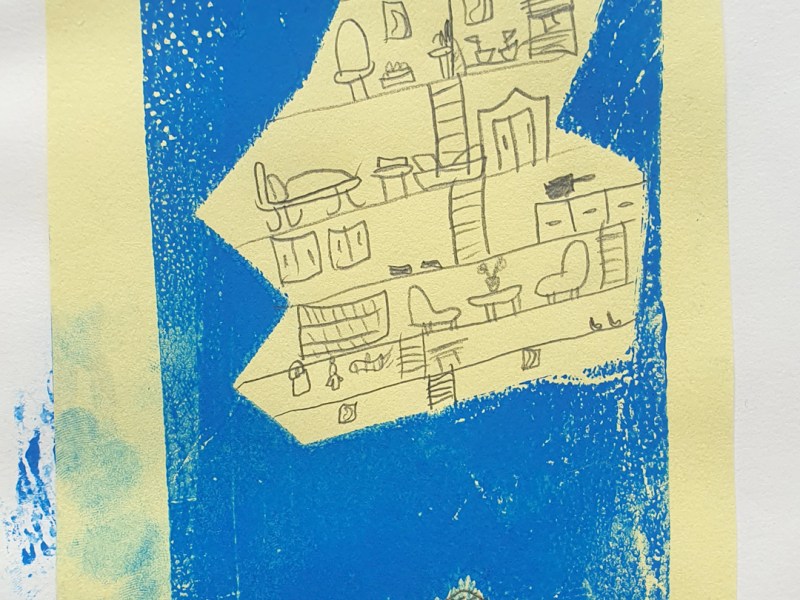
Nature Printing with a 6 yr old
In my eco pedagogy era-
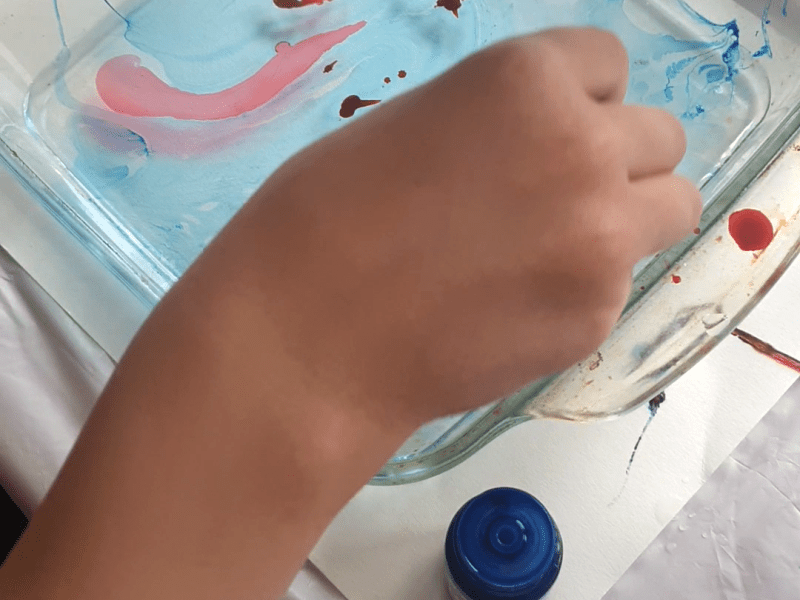
Nature Printing with a 6 yr Old
The Art of Ebru
 Aindri C
Leave a reply to Nature Printing with a 6 yr Old – Aindri C Cancel reply