
These are the plants I have been growing on my plot at the Foxhill Community Backgreen.
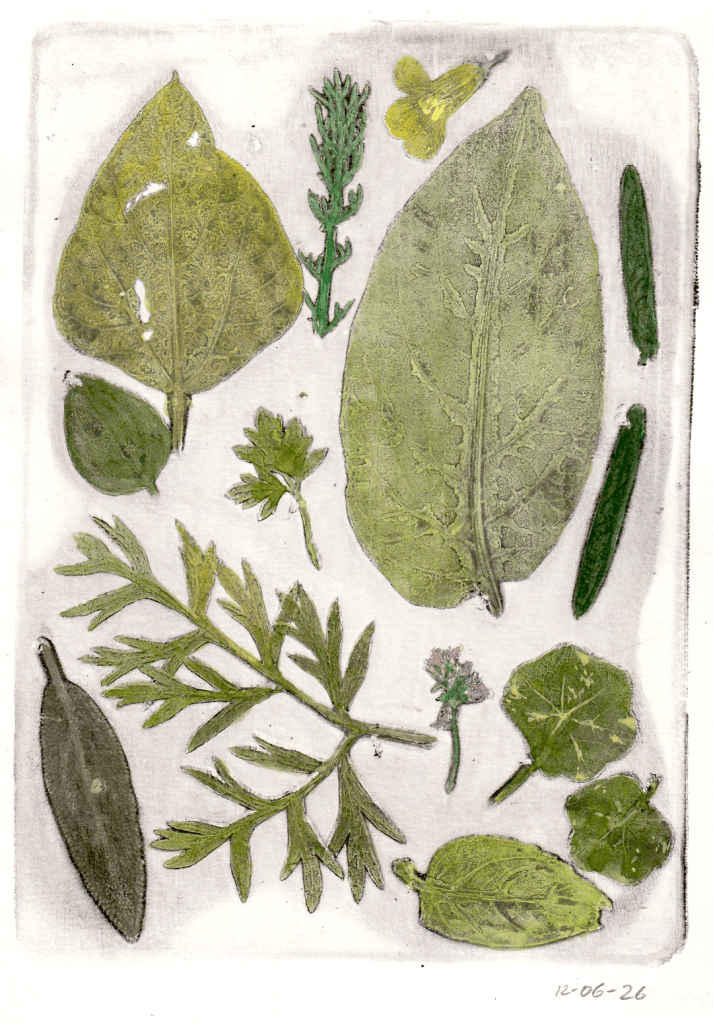
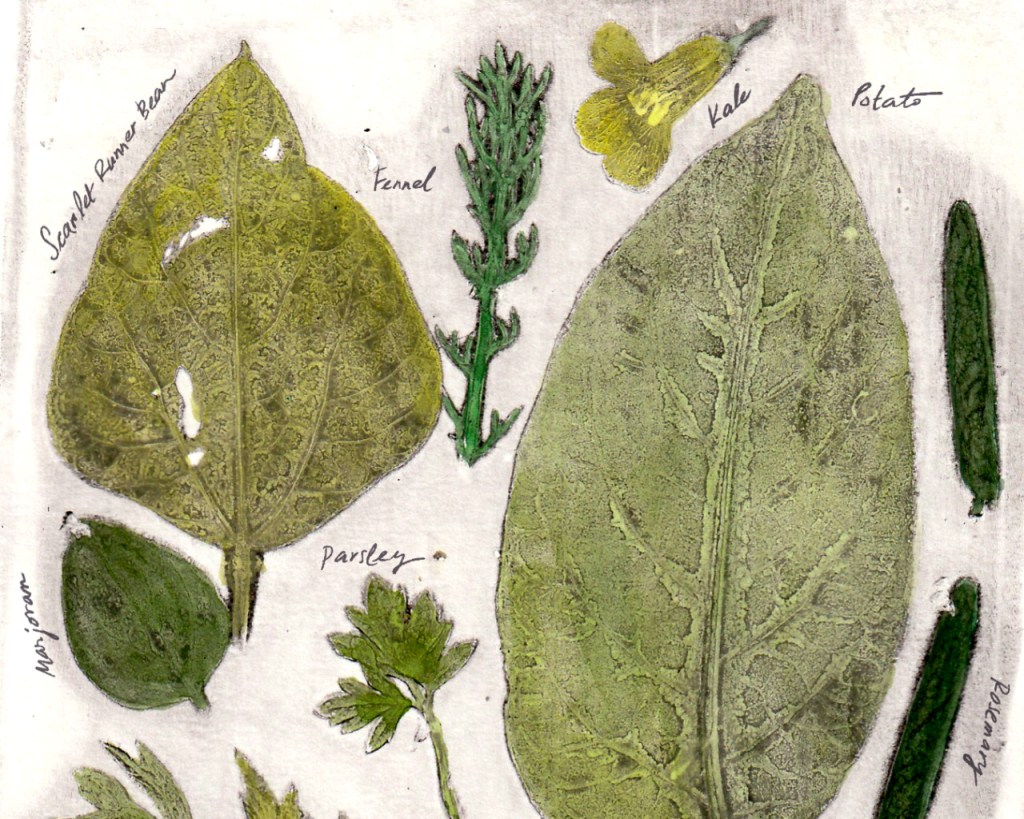
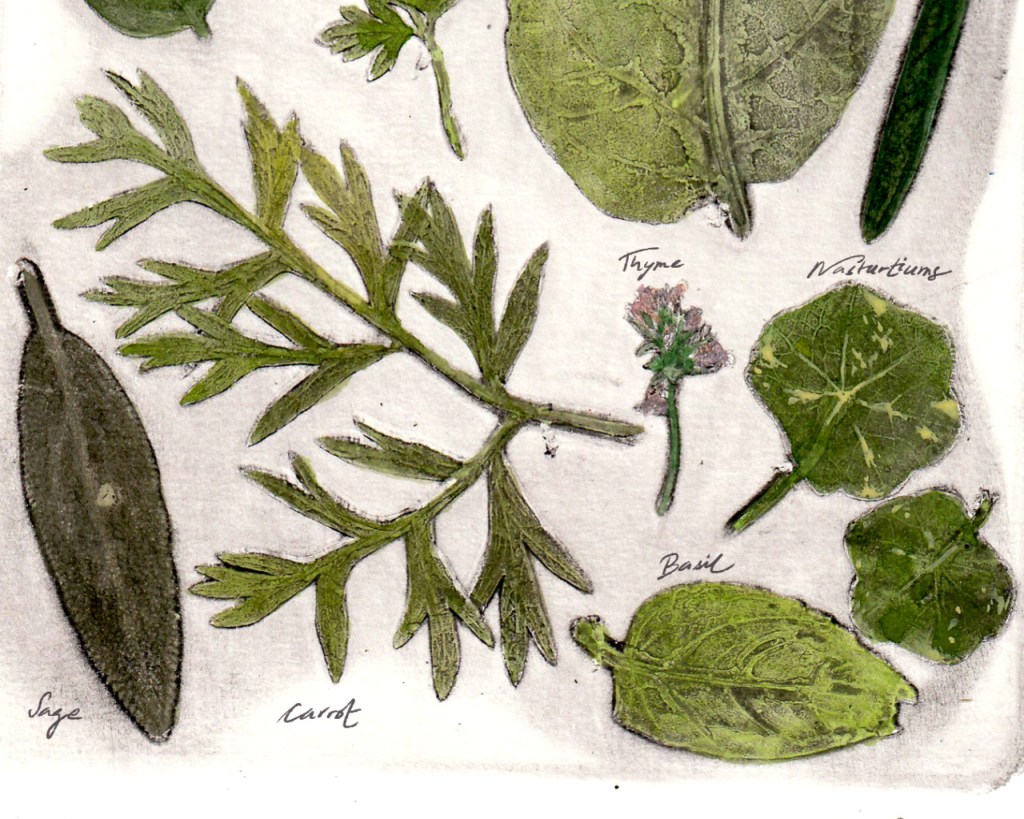
I have used a gelatin print of the specimens and coloured in afterwards with watercolour. This was one of the methods of making nature impressions in the 1700s
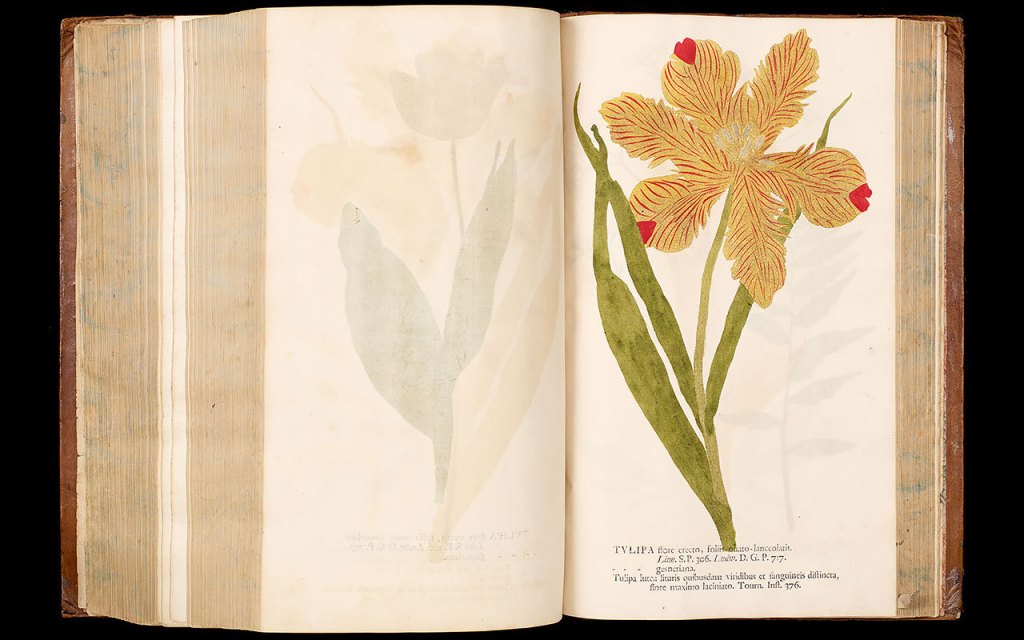
What is “Nature Printing?”
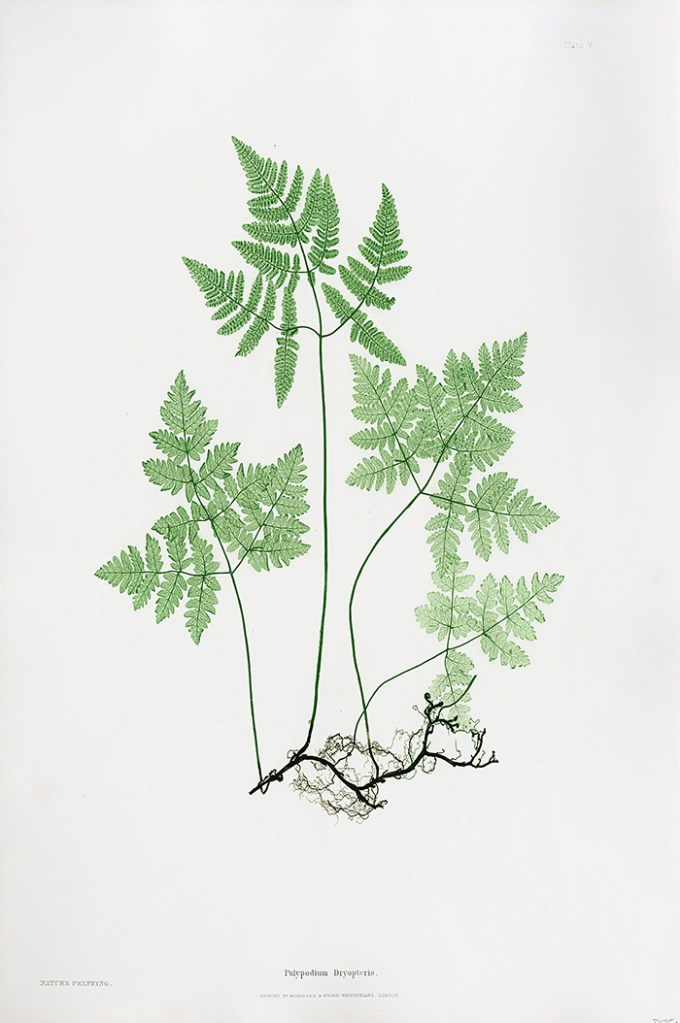
Nature printing is a portrait of nature. Another name for this reproduction process is self printing because it is the inked plant itself that makes the print. For the un-initiated it may seem like an extension of “potato-printing”, however the fascination with form and colour of the plant later contributed to the development of natural history and photography.
People have been making nature prints for millennia – from hand prints in cave paintings to leaves printed onto early textiles. For herbalists and botany enthusiasts nature printing became botanical documents and by the 19th century, more sophisticated methods allowed plants to be reproduced in minute detail.
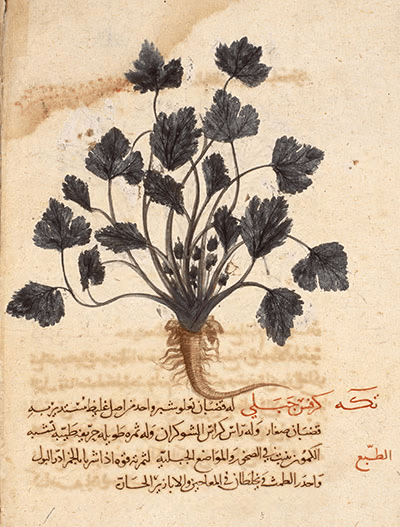
A fresh leaf is rubbed with verdigris and carbon; soaked in the right amount of colour it is printed on one of two large sheets of paper, so that an almost life-like image remains.
Girolamo Cardano, De Subtilitate, Book XIII (1550)
“Naturselbstdruck”
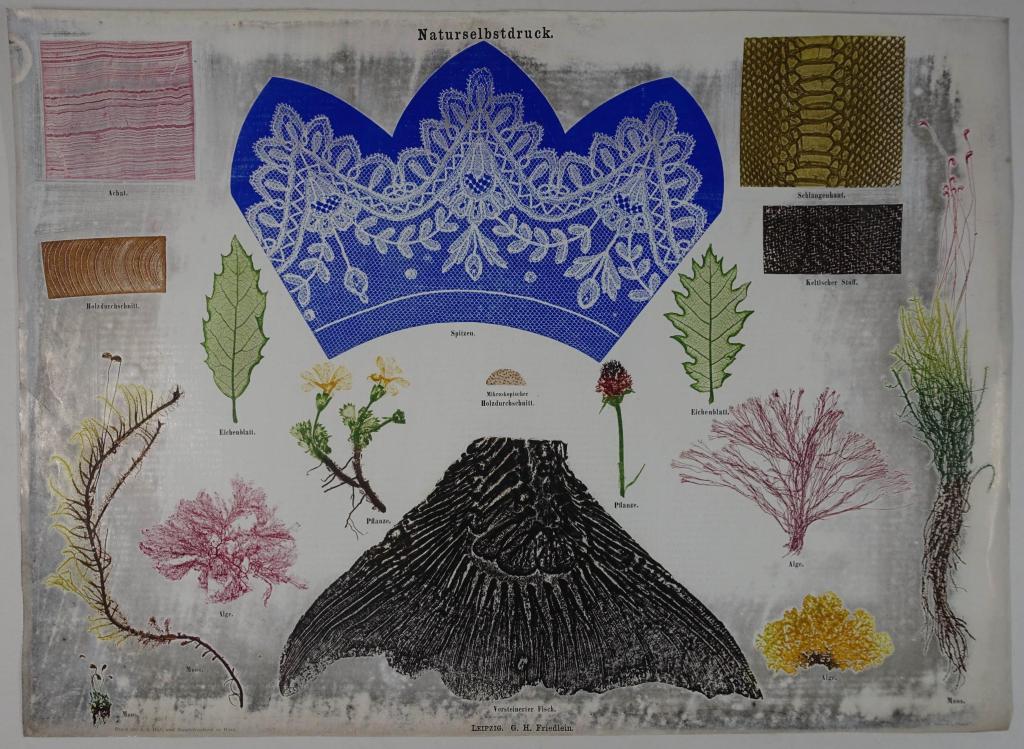
The term literally translated as Nature Printing was invented by Austrian printmaker Alois Auer. It was the process of “lifting” a soft lead impression onto an electrotype copperplate. The method seems very ritualised:
The animal or plant was placed in a wooden box for casting- a small coffin” as it was called; after the negative mould had hardened, the natural components of the cast object were completely removed from the mould by pulverizing their remnants in a process of annealing, or burning out, which prepared the mould for metal casting. At the end of the procedure, the artist’s breath was used as a life-giving element to clean the hollow mould of the ask residues
Natureform und bildnerische Prozesse, Robert Felfe (2015)
This expensive technique fell out of use.
Apart from experiments with the form of the plant, colour experiments led to the invention of photosensitive chemicals and plates in the 19th century. One of the earlier studies documented the effects of sun exposure on vegetable juices. This method is called anthotype (solar printing).
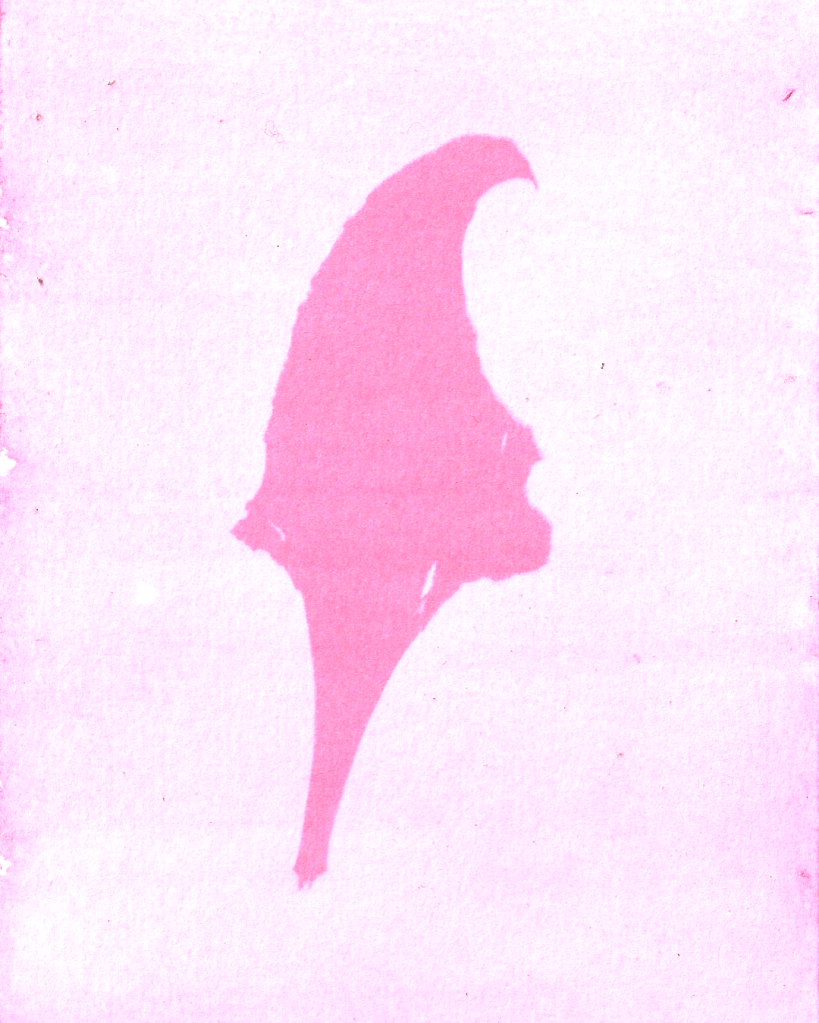
Here is my study of a beet leaf- gives us an idea into how nature prints developed from lead impressions on paper into modern photography

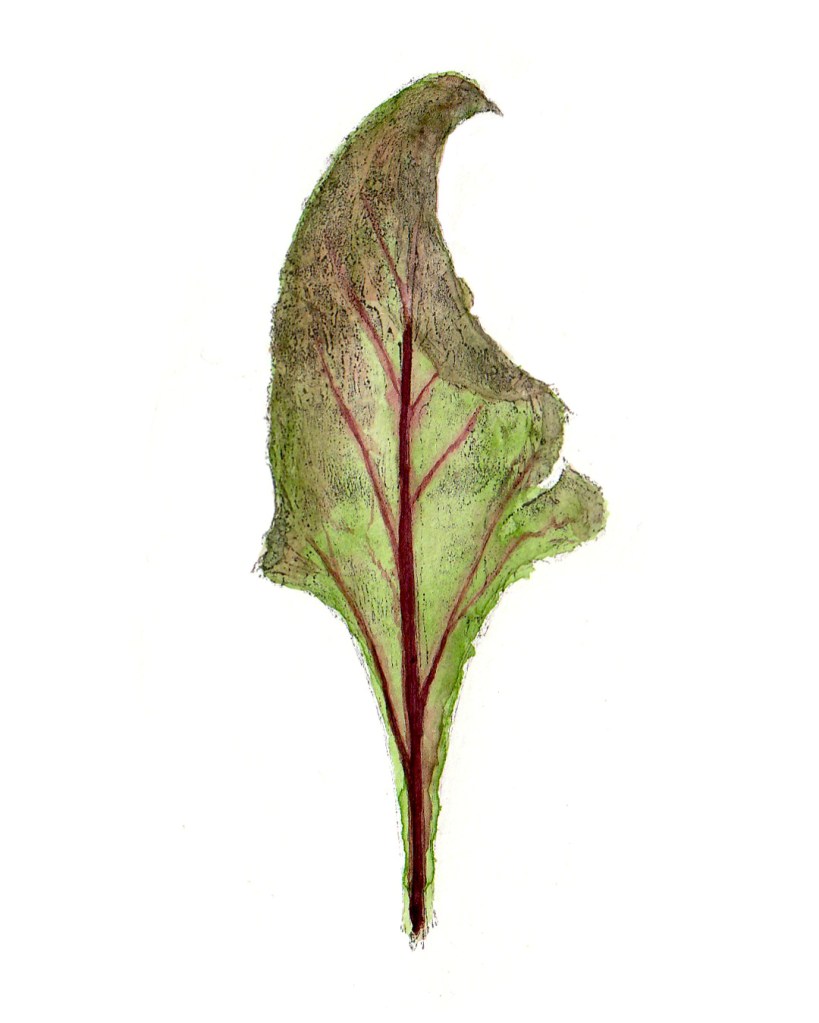
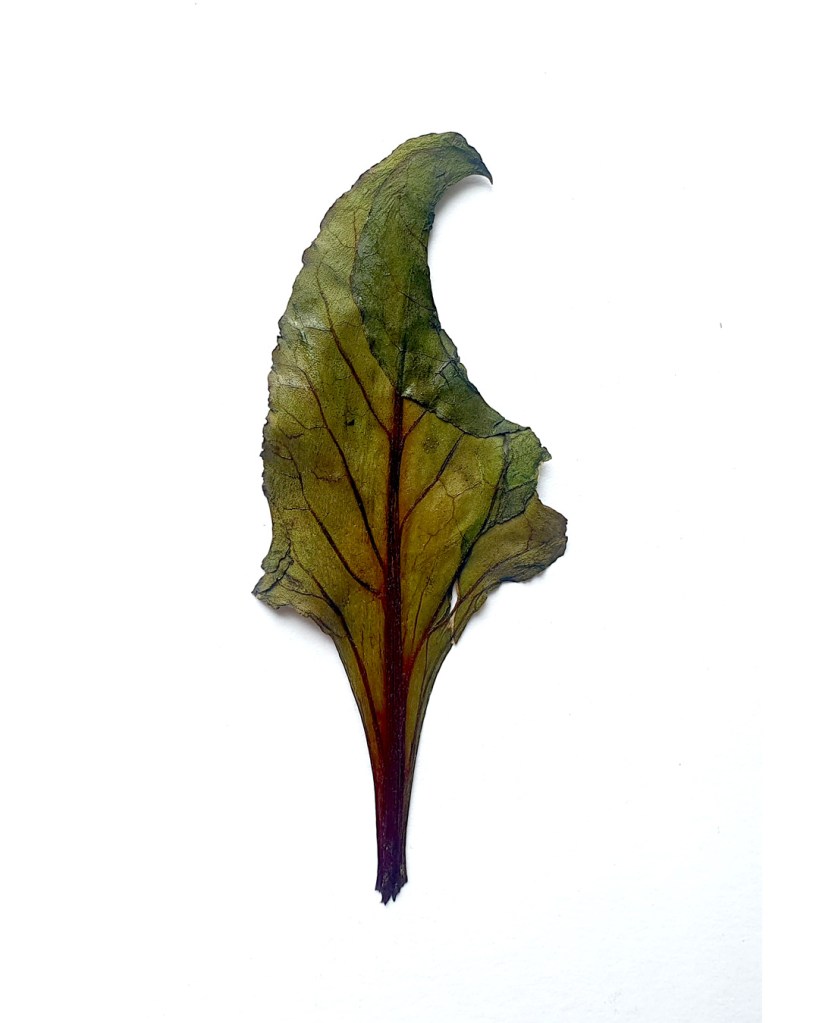
The trail from anthotype to cynaotype will introduce you to Mary Sommervile and Anna Atkins- both of whom could not publish under their own name, but under another male author or as AA (Anonymous Amateur)
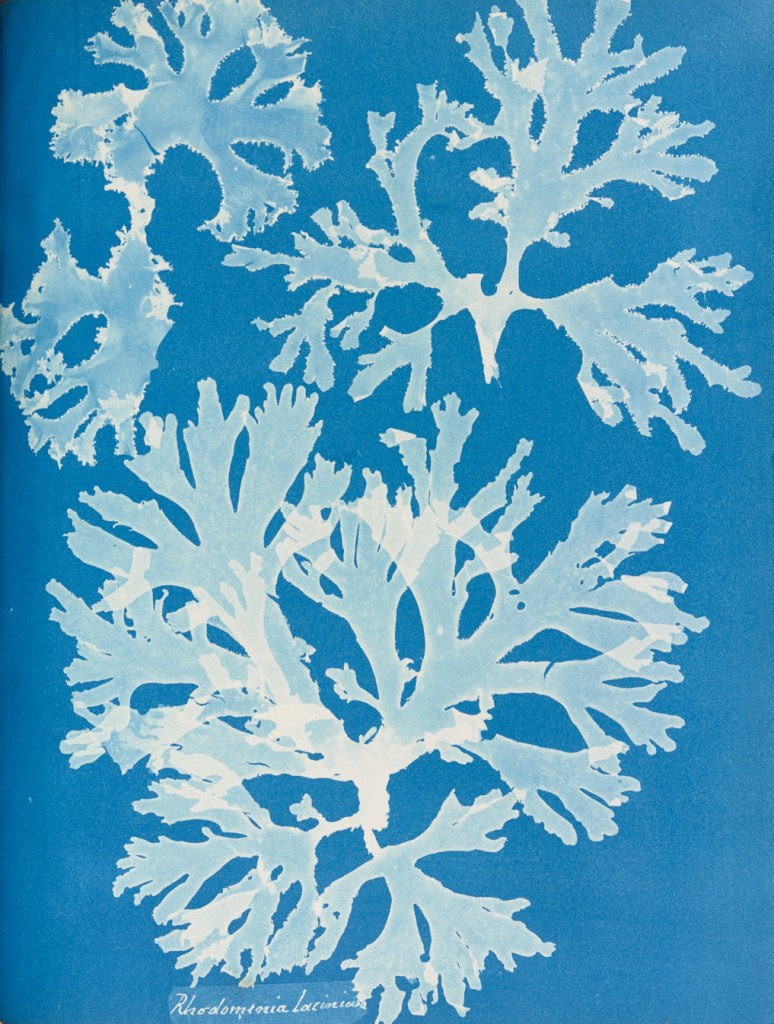
British algae: cyanotype impressions (1843)
Many of the specimens found themselves in herbarium scrapbooks in the 19th century- among whimsical musings, and literary clippings. Amateurs ignored the borders between science and art.
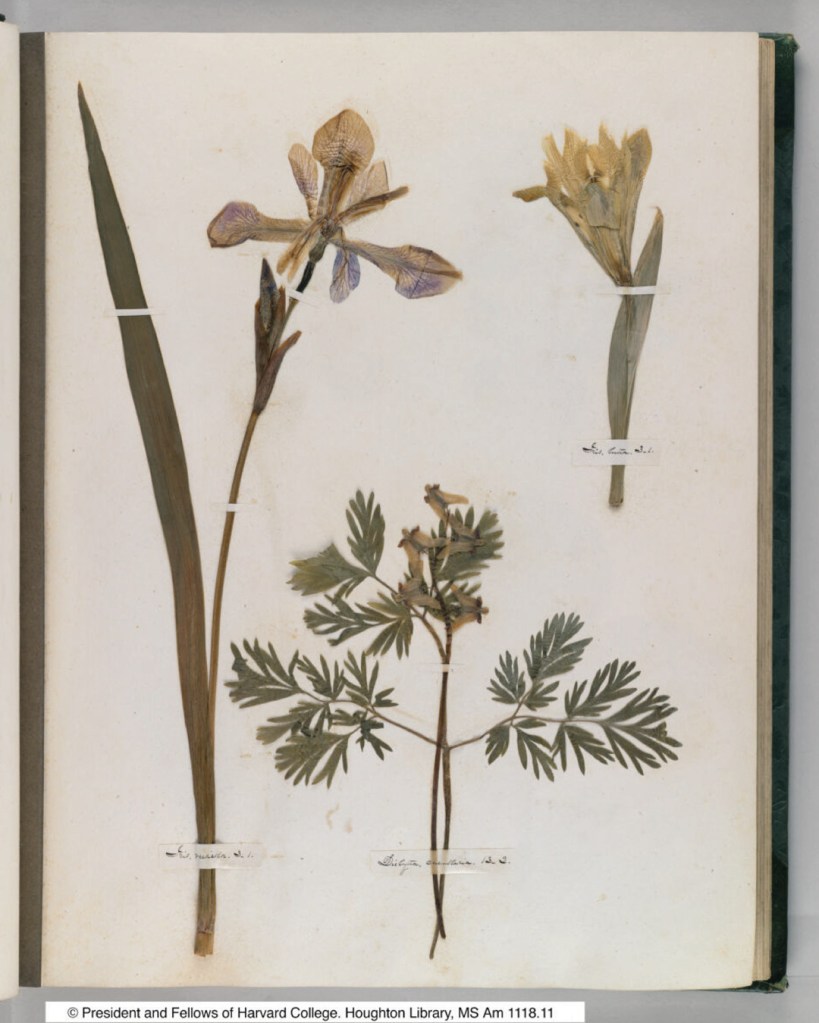
Emily Dickinson’s Herbarium scrapbook

The nature prints also reveal the entanglement between nature enthusiasts, collectors, botanists as colonial employees of the 19th century giving us an insight into the wider environmental and social contexts in which they existed.
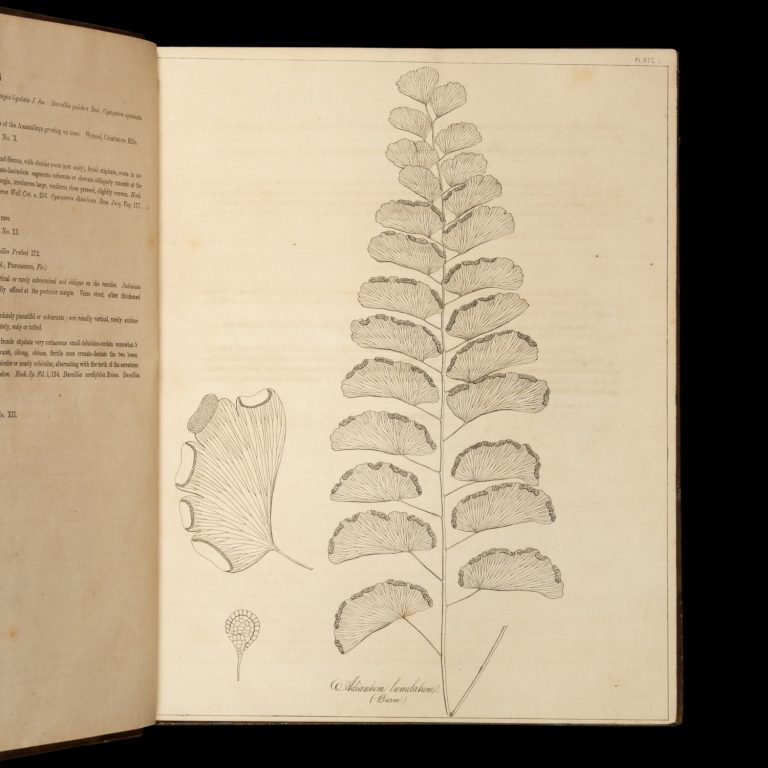
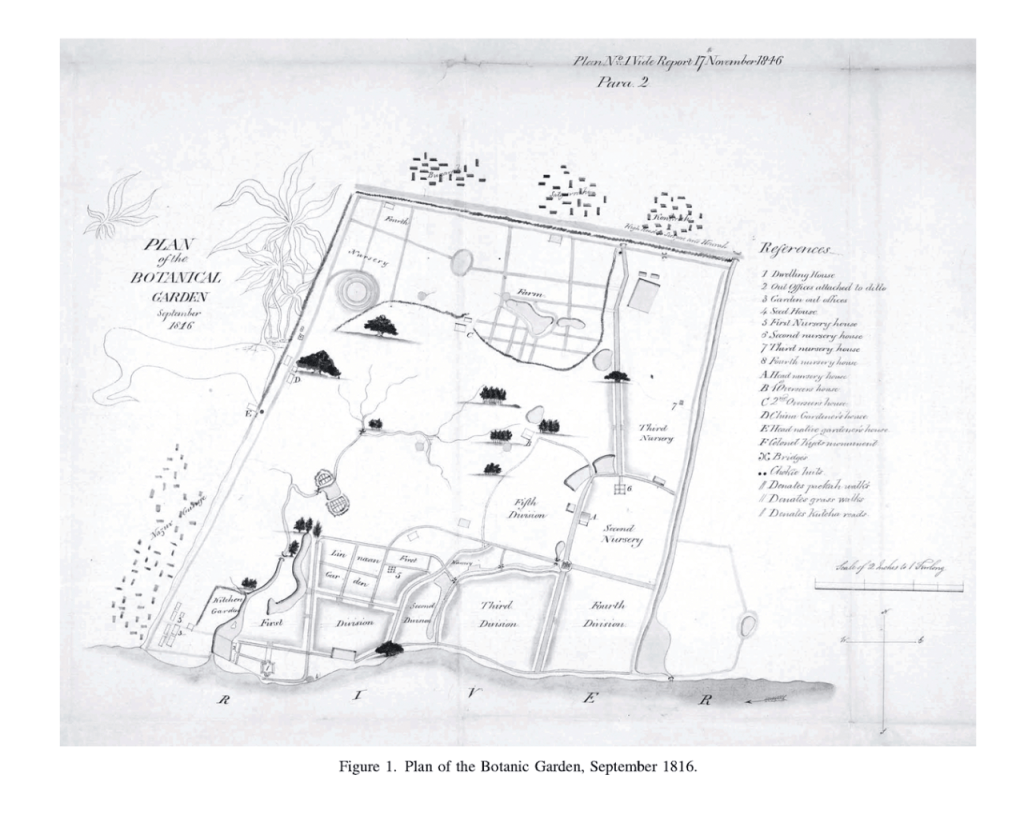
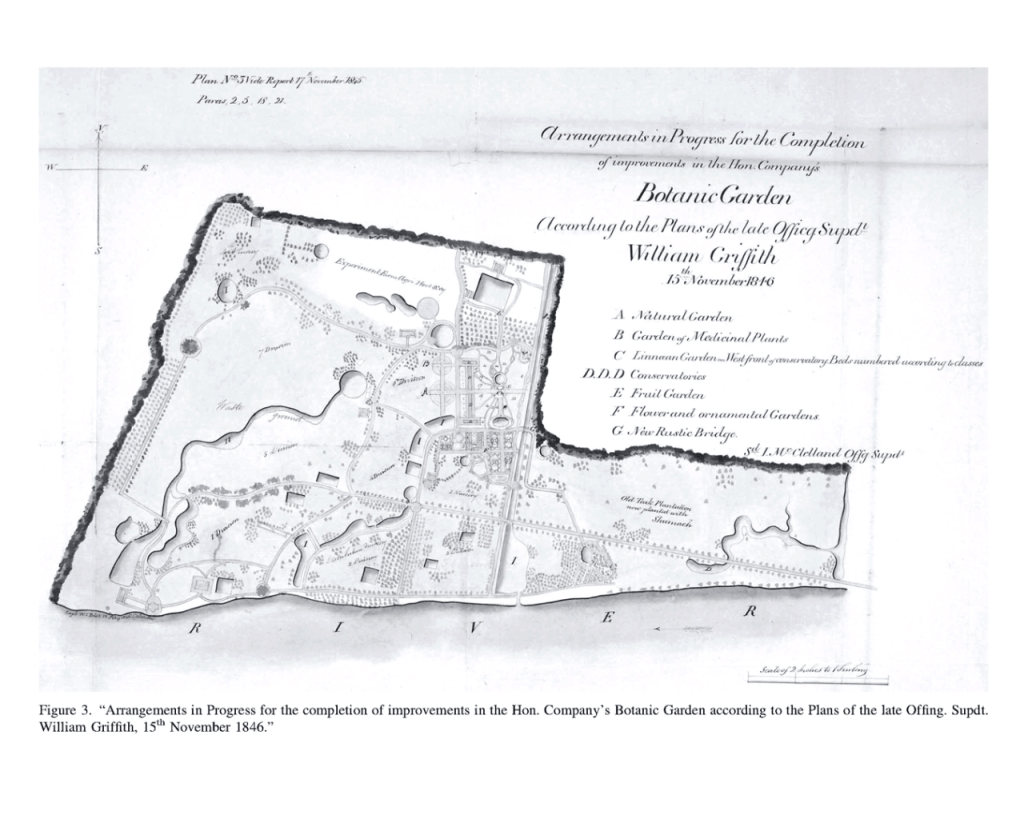
One that has interested me is the uneasy relationship between Nathaniel Wallich and William Griffith-how scientific practice and the priorities of imperialism shaped botanical documentation.
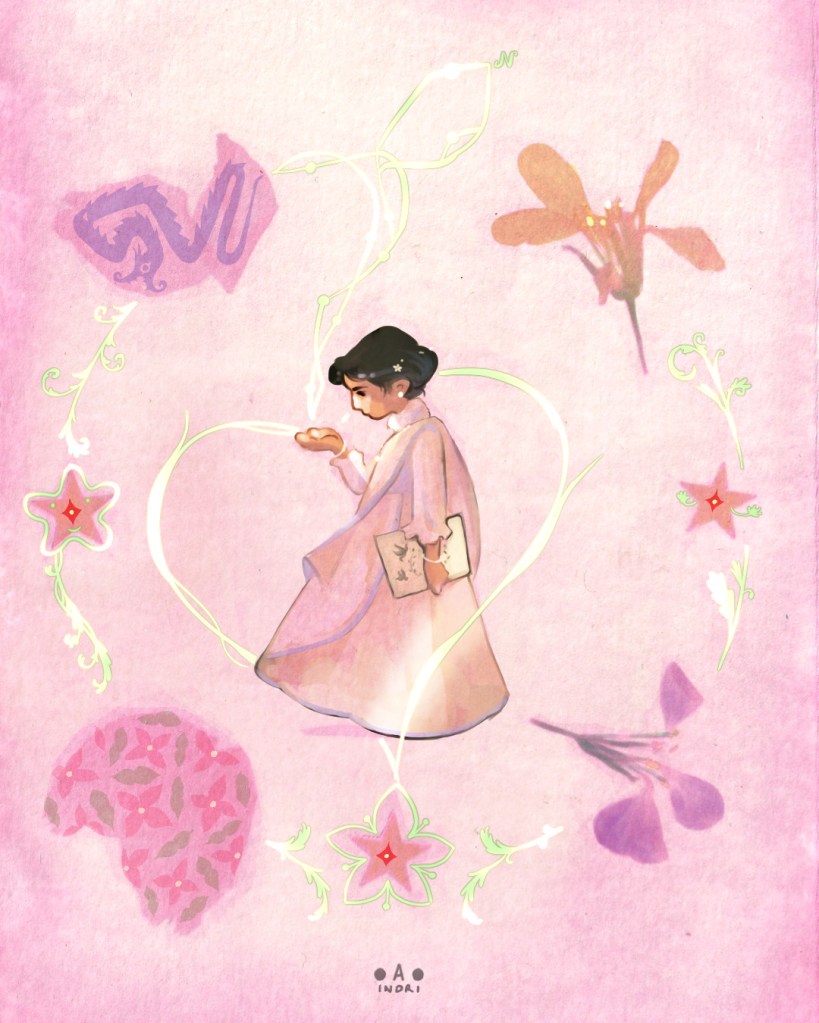
I am using self printing to build on a visual language at the moment. These are some of the characters of the Hog Plum Committee I am assembling:


References:
Impressions of Nature- A History of Nature Printing Roderick Cave (2010)
Emily Dickinson’s Herbarium
Calcutta botanic garden and the colonial re-ordering of the Indian environment, Richard Axelby (2008)


Leave a Reply